
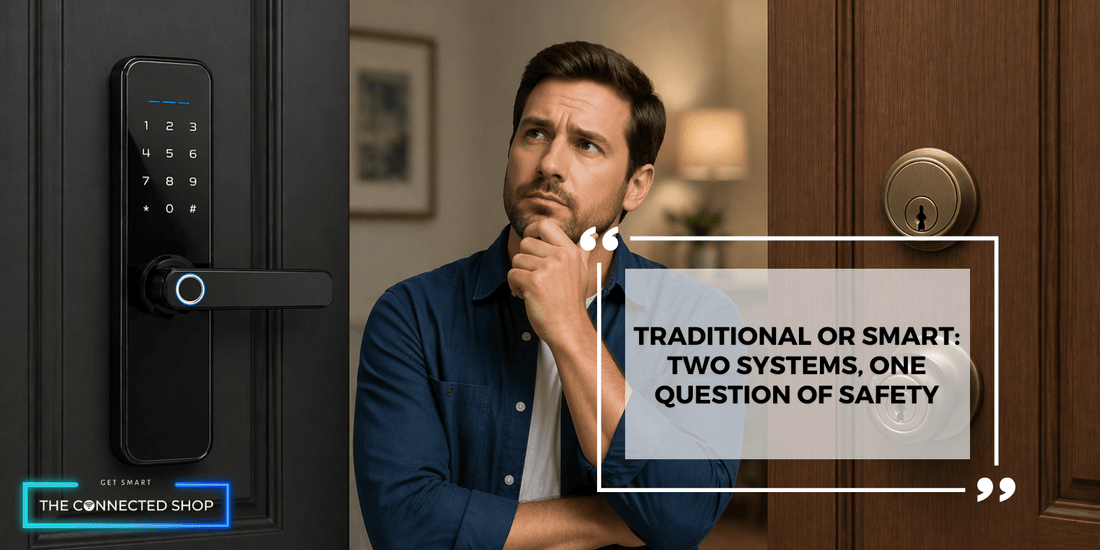
For decades, home security relied on a simple piece of carved brass. However, as technology evolves, many are questioning if digital entry systems are truly a safer alternative to traditional hardware. Moving toward keyless technology isn't just about convenience; it’s a shift in how we define home protection. While mechanical locks feel reliable, the rise of modern access control forces us to re-evaluate whether manual keys are still the most effective choice.
The debate over smart locks usually centers on hacking risks, but we must also consider the vulnerabilities of traditional keys, such as lock bumping and unauthorized duplication. These electronic systems eliminate the need for "hidden" spare keys, reducing a major security risk. Ultimately, choosing a digital solution means trading physical key management for better oversight. Understanding the potential security risks is essential before deciding to retire your keychain for good.
To determine which system truly offers better protection, we must look beyond marketing claims and examine the specific failure points of each technology. Whether a vulnerability is exploited with a physical tool or a line of code, the result is the same: a compromised entry point.
Assessing the Vulnerabilities: Mechanical vs. Digital Systems
To determine which system truly offers better protection, we must look beyond marketing claims and examine the specific failure points of each technology. Whether a vulnerability is exploited with a physical tool or a line of code, the result is the same: a compromised entry point.
Physical Key Vulnerabilities
While mechanical locks are often perceived as more "real" because of their weight and material, they possess several inherent weaknesses that are frequently overlooked.
-
Mechanical Bypassing: Tools for lock picking and "bumping" which is a technique using a specially cut key to force the pins into place are inexpensive and easily obtained. These methods allow an intruder to bypass a standard deadbolt in seconds with minimal training.
-
Key Management: Physical keys are difficult to track. If a key is lost or stolen, there is no way to "deactivate" it. The only way to restore security is to physically replace the lock cylinder. Furthermore, standard keys can be duplicated at most hardware stores without the owner’s authorization.
-
Lack of Oversight: A traditional key provides zero data. There is no record of who entered the building or at what time, making it impossible to audit access after an event occurs.

Digital Key Vulnerabilities
Transitioning to a digital system solves many mechanical issues but introduces a different category of technical risks.
-
Cyber Threats: Because many smart locks connect to the internet, they are susceptible to signal interception. In "relay attacks," a hacker can capture the signal from a phone or fob to trick the lock into opening. Additionally, devices connected to home Wi-Fi can sometimes be targeted if the network itself is not properly secured.
-
Hardware and Software Reliability: Unlike a piece of metal, a digital lock relies on software and power. System bugs, depleted batteries, or cloud service outages can lead to "lockouts" where the user is unable to enter their own home despite having the correct credentials.
-
Data Privacy: Every time a digital lock is used, it generates a data point. Users must consider how much information the manufacturer collects regarding their daily habits and who has access to that entry log.
Direct Comparison: Security Risks
When comparing these two technologies, the choice often comes down to the type of "skill barrier" an intruder must overcome.

-
Expertise Required: Using a manual lock-picking kit requires tactile skill and physical presence. Conversely, bypassing 128-bit encryption or a secure Bluetooth protocol requires sophisticated technical knowledge. For the average intruder, picking a low-quality mechanical lock is generally easier than hacking a well-designed digital system.
-
Instant Revocation: The primary security benefit of smart locks is the ability to revoke access immediately. If a phone is lost or a temporary guest code needs to be cancelled, it can be done via an app instantly, whereas a physical key remains a threat until the hardware is changed.
-
Physical Strength: It is important to remember that a "smart" system is still a physical barrier. Regardless of whether it is opened by a key or a code, the security of the door still depends on the physical strength of the metal deadbolt and the integrity of the door frame.
Practical Implementation: The Best Connectivity Options
To maximize both security and reliability, choosing the right way to connect your lock is essential.
-
Local Wi-Fi (The Best Option): Connecting your lock directly to your Local Wi-Fi is the most effective way to manage your home. It provides a stable, high-speed link for real-time alerts, remote unlocking from anywhere in the world, and seamless integration with your other home security devices.
-
Bluetooth Connectivity: As a secondary option, Bluetooth provides a reliable, low-power connection for proximity-based features like auto-unlock. It is an excellent backup that works even if your internet service is temporarily interrupted, ensuring you always have local access to your home
Real-World Impact: Designing for Modern Life
For homeowners and business owners, the shift to digital locks represents more than just a new gadget; it is a practical upgrade that addresses the friction of daily routines.
For Parents: Peace of Mind for the After-School Rush
For parents, the greatest benefit is the elimination of the "lost key" panic. Instead of entrusting a child with a physical key that can be dropped or misplaced, you can assign them a unique PIN code (easier ones they can easily remember)

-
Activity Logs: With smart locks, parents can receive real-time notifications on their smartphones the moment a child’s code is used. This allows you to confirm they arrived home safely from school without needing a check-in text.
-
Accountability: Unique codes for every family member create a digital history, showing exactly who entered and when, which naturally encourages accountability within the household.
For Busy Mothers: The Hands-Free Entry
Few scenarios are as frustrating as fumbling for keys with arms full of groceries. Modern digital locks address this through automated features that prioritize accessibility.
-
Auto-Unlock and Face Recognition: High-end models use face recognition to retract the deadbolt automatically as you approach. This allows for a completely hands-free entry, letting you walk straight in without setting down bags or searching through a purse.
-
Auto-Locking: To combat the "human error" of forgetting to lock up during a hectic morning commute, these locks can be set to engage the deadbolt automatically the moment the door is closed.
For Service Providers: Managing Cleaners and Repairmen
Handing out spare keys to cleaners or repairmen is a significant security liability. With a smart system, you no longer need to leave a key under the mat or arrange for an in-person handoff.
-
Scheduled Access: You can generate "temporary" codes that only function during specific windows—for example, every Wednesday from 10:00 AM to 2:00 PM.
-
Instant Revocation: Once a project is complete, you can delete the code from your app instantly. This ensures that the service provider no longer has access to your home, removing the need to ever worry about unauthorized copies of your keys.
For Rental Property Owners: Automated Turnover
For those managing short-term rentals or investment properties, physical keys are a logistical burden compared with smart locks. Keyless hardware transforms property management into a remote, automated process.
-
Eliminating Rekeying Costs: Traditionally, a lost key or a tenant move-out required a physical lock change. With digital access, you simply delete the old code and issue a new one, saving hundreds of dollars in locksmith fees over the life of the property.
-
Synchronized Booking: Many systems can integrate directly with booking platforms to generate unique, time-sensitive codes that activate at check-in and expire at check-out.
-
Vendor Accountability: You can provide separate codes for cleaning crews or maintenance workers, with a full audit log showing exactly when the work was performed.
Conclusion
The transition from brass keys to digital credentials offers a trade-off. Digital locks provide superior management and oversight, allowing you to know exactly who comes and goes. Meanwhile, high-quality physical locks often provide better resistance to brute-force attacks and do not suffer from software-related failures.
Ultimately, security is about choosing which risks you are better equipped to manage. Whether you prefer the mechanical reliability of a traditional bolt or the advanced control of smart locks, the most effective system is one that is properly maintained and used with consistent security best practices.
1 comment
Drew Bigger
I am building a storefront swing door for a client and i need to know which smart door lock slim would be best for a storefront door application… i can make the stiles 5" if needed just need to know which lock would be best.